
IRATA (International) is the Industrial Rope Access Trade Association. It was formed in the 1980’s by a group of companies who were using rope access techniques in the offshore oil and gas industry. They came together to develop and standardise rope access methodology and enable safer working at height. IRATA is recognised worldwide and today works across a wide range of industries.
About IRATA
The IRATA System – Values and Purpose
The Industrial Rope Access Trade Association (IRATA International) includes within its membership operating companies who employ technicians who have learned their skills from the training companies of the Association. Unlike many trade associations it is not dominated by or influenced purely by manufacturers from its business sector. The IRATA syllabus enables rope access technicians to progress through three Levels of proficiency, with certification issued at each level. The IRATA technician carries a card that is recognised and admired around the world for its importance and value; over 70,000 IRATA technicians have been registered in over fifty countries and in every continent. The thorough, dedicated IRATA training programme delivers a skilled workforce that can reliably employ a proven work-at-height method.
The Value of a Qualified Work Force
Working at height or in locations presenting difficult or confined access requires great skill and such standards can only be achieved as a result of extensive training and regular refresher courses. IRATA training is provided by skilled trainers in centres which are Association members and every course is assessed by experienced IRATA personnel independently from the training company. This double guarantee of thorough training and independent assessment is the IRATA key to securing a safe workforce.
The Value of the Right Training Resource
Experienced specialists with an in-depth knowledge of their subject often provide the best educational outcomes. IRATA trainers are specialists and experts in their field. They bring theoretical and practical teaching skills, alongside a deep understanding of the real-life working environments and knowledge of the capabilities of the industrial rope access system. Their individual abilities and the training centres they work in are regularly independently assessed to ensure that training is delivered to IRATA’s high standards.
IRATA – Value in Action: Rope Access and Safety Statistics
IRATA has developed a unique two-rope system, which enables the technician to operate in the safest possible conditions, with one of the ropes is only ever being used as a safety back-up. In the unlikely event that the working rope is damaged or fails, the technician has a second rope to ensure their safety. IRATA companies rigorously record the incident statistics of their operations and supply the data to the Association. This data is independently audited and openly published. In fifteen years of collating these reports IRATA has recorded minimal serious injuries; its “reportable incident” rate reduces year-on-year and is currently less than four per 100,000 hours worked. This is unrivalled in the industries in which IRATA operates and is a fundamental reason for the remarkable, on-going growth in the Association. Safe working reduces costs and this represents real added value for individuals and for business.
IRATA – the Value of Sound Working Methods
The IRATA system of industrial rope access controls the hazards associated with working at height or in places of difficult access. For businesses, IRATA offers more than just qualified individuals. Self-sufficient teams of technicians use the IRATA methodology to provide their own means of access, equipment and skills. There is no need for other any additional access equipment, which means that the number of staff and duration of work are reduced, lowering project costs. Rope access delivers the minimum environmental footprint and minimises disruption to third parties, including building occupants, pedestrians or members of the public in the general surroundings of the work. A rope access team can often work without being noticed, they are so light-touch.
IRATA – the Value of Diversification
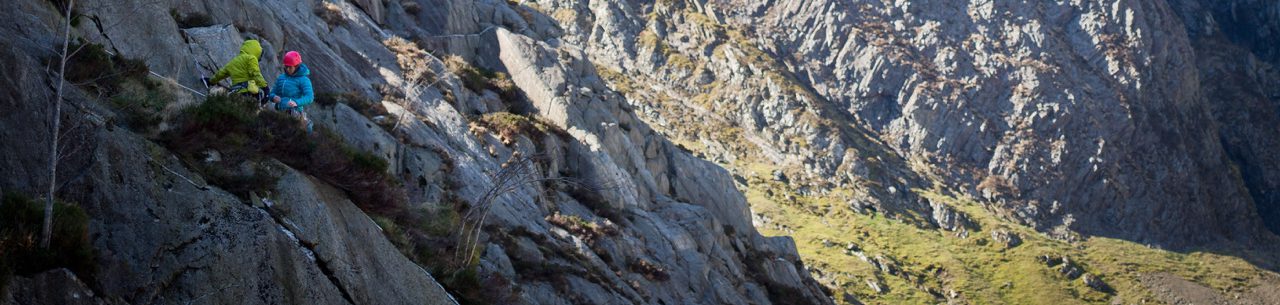
Across all industries IRATA continue to astonish, by delivering an ever-wider range of tasks by rope access. Offshore, the IRATA team can undertake all manner of inspection, repair and testing work and often represent the only means of tackling a specific job. Onshore an IRATA technician is as likely to be seen on embankment or cliff faces as they are on a pylon or industrial tower, or working on an historic building, a new airport terminal or a modern city building
IRATA – the Value of Experience
IRATA was formed when rope access was truly in its infancy. It has developed not only the sector, but also methodologies and systems, to take the industry around the world with global status. Working from the outset with the Health and Safety Executive and other regulatory and standards authorities, the Association has overseen the growth of a whole new division of the access industry and thus gained the reputation of excellence that one would expect from a worldwide trade organisation.
The Value of Global Status
Many trade associations in the work at height sector are dominated by manufacturers connected with their business, and many operate only in the UK; this is not the case with IRATA. IRATA has member companies in every continent, providing consistency and authority, which sees its companies and technicians enjoying exclusivity with small, medium-sized and multi-national companies. In new areas of oil and gas exploration, for example, companies turn first to IRATA when seeking platform repair and maintenance. IRATA rope access teams are called for with ever-increasing frequency to undertake non-destructive testing (NDT) and restorative work on coastal cliffs and other geographical features; the modern high-rise cities of the world turn to IRATA operators for their cleaning, inspection and future maintenance work.
For more information about IRATA, go to: www.irata.org
 Outdoor Careers