
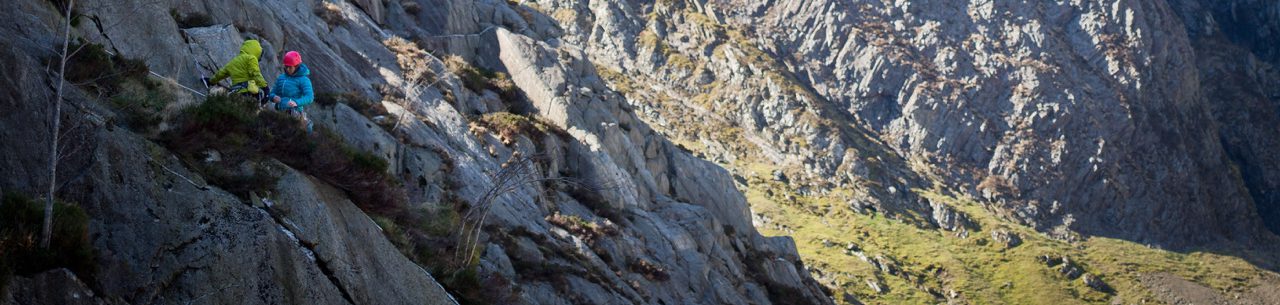

What is it? How did it start?
Rope access is one means of getting yourself into the right position to do a job, using practical ropework and harnesses to descend, ascend and traverse in to difficult-to-access places.
History of Rope Access
In the early days of rope access many technicians were drawn from those who started out as rock climbers, potholers and cavers. Technicians who had worked as rock climbing instructors or had a background in military service were the perfect candidates at the time to support a burgeoning oil and gas industry, which needed workers to carry out work in remote and inaccessible places. The industry is very different now to its origins in off-shore; in its infancy, more traditional industries recognised that there were multiple on-shore applications for rope access techniques that were safe, environmentally friendly, more cost-effective and less intrusive than traditional methods of gaining access to difficult places.
The Birth of IRATA
IRATA (International) is the Industrial Rope Access Trade Association, which was formed in the late 1980’s in response to the demand for safer working methods for those working at height using rope systems for access.
The industry has matured and developed since the first days of IRATA and today employers usually expect technicians to have a skill or profession as well as the rope access skills and qualifications. Skills needed for different jobs vary massively across the industry and include things like electrical qualifications, NDT qualification, engineer and so on. If you are in possession of such skills you will probably find securing employment very much easier after qualifying as a rope technician.
Where do rope access technicians work?
Today, Industrial Rope Access Trade Association (IRATA International) members can be seen at work on the world’s great iconic buildings, both old and new, as well as in your local city centre or industrial complex. It is widely used in the natural environment on projects such as cliff stabilisation and at locations where quick and safe access to high or difficult locations is required.
Rope access technicians can now work more safely at height and this means that architects and engineers can design and construct ever more challenging structures and buildings; rope access technicians enable creativity and innovative design.
You can find out more about this in our article: Different Types of Rope Access Work
Rope Access after the Military
It’s well known that military staff gain a wide range of skills and qualifications whilst in service. Very often these qualifications are related to climbing, hillwalking and other outdoor activities, which means that military staff are in a great position to move into rope access work when they leave military service. They often hold a wealth of personal qualities, such as teamwork, resilience, the ability to follow strict rules and communication that complement this line of work.
With transferable military skills, knowledge and experience allied to accredited training from IRATA, staff retired from military careers can make a successful transition to a civilian career in the world of rope access.
If you like this, you might also like:
Find out more about IRATA
Career Profile: Rope Access Technician
Different Types of Rope Access Work
Career Profile: Overseas Expedition Leader
5 Reputation-Building Tips
 Outdoor Careers
2 thoughts on “Rope Access: What is it?”