

Career Profile:
Job Summary :
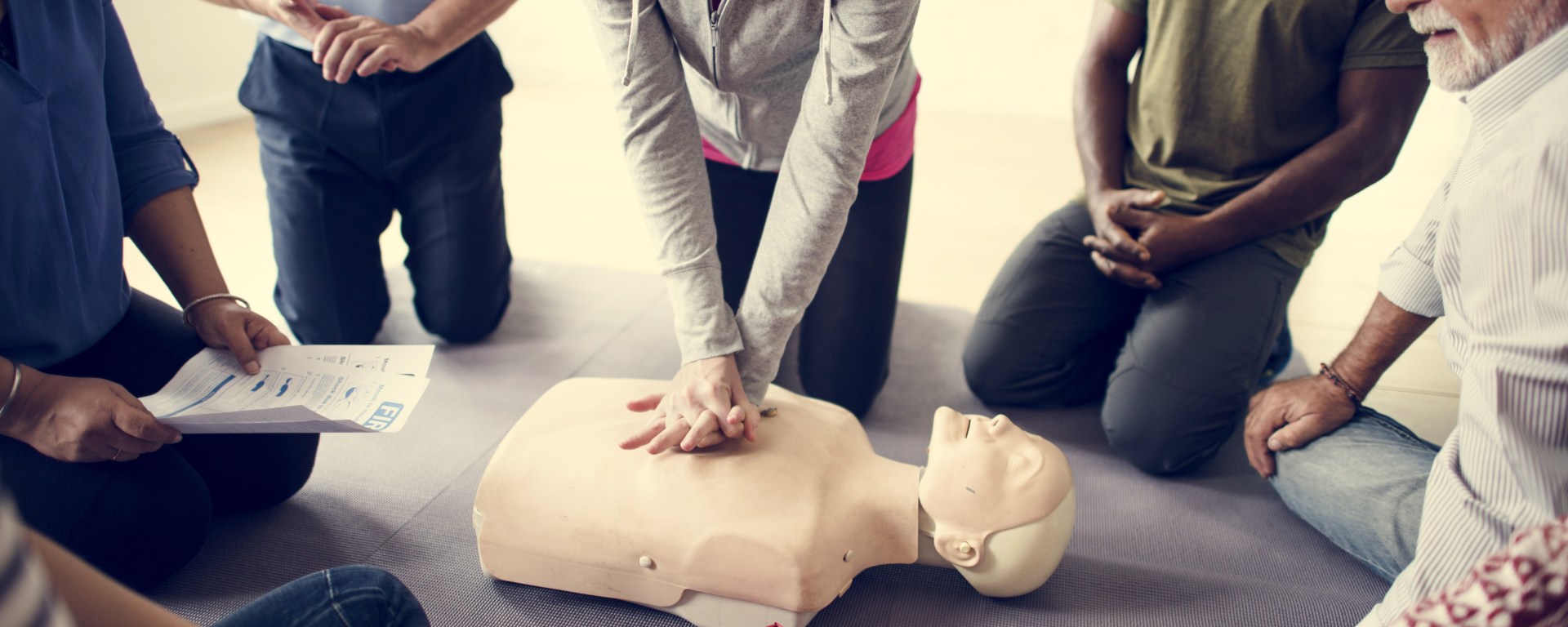
This role involves teaching emergency first aid, usually on one or two-day courses. You will be working with people who wish to gain knowledge of first aid, usually alongside gaining a qualification. You will be responsible for the delivery of course curriculum, designing course materials and assessing the candidates’ knowledge and ability against course standards. You may work for a provider or run courses independently.
Job Tasks:
You will deliver first aid skills workshops for 3 – 12 people. Course content usually includes: assessing injuries, observing vital signs, dealing with unconcious casualties, common medical emergencies, heart attacks, choking, bandaging, airways, breathing and circulation. Your role will involve teaching and assessing candidates. If self-employed, you are likely to complete paperwork and deal with bookings and enquiries. You are likely to teach from an indoor classroom, but may also deliver some of your sessions outdoors. You may create course content, research information and find resources to make your courses interesting. You will check equipment and stock to ensure you have everything needed to run the course. You will need to keep up to date with legislation and first aid methods, to ensure that you are giving clients accurate information.
Skills Needed for this Job:
To become a skilled first aid trainer you will need first aid skills and ideally a good level of first aid experience, preferably in an emergency setting. A good understanding of learning and how people learn is important for this role. You will need to understand your group and be able to adapt your delivery to their needs, so that all participants learn effectively. Being able to take dry information and make it interesting is a real skill. You will need to communicate the content, which is sometimes technical, in a way that everyone understands. This includes good listening skills, presentation skills and managing a group who are at different levels.
You may often have participants who are only attending to satisfy their insurers or keep certificates in date, so humour and being able to keep the curriculum interesting will help keep them focussed, so they enjoy the course. Having the skills to inspire people will help to make your course and content memorable. Sometimes you will need to coach individuals who are finding the content difficult, so patience and understanding will be useful in those situations.
A background in emergency care helps to develop some of these skills and gives real examples to talk about in the classroom.
Being in a classroom or teaching environment is quite different to delivering medical interventions in the field, so this is something you should consider if you are thinking about a career change from field-based emergency care. If you work outside of emergency medicine and don’t have emergency medicine experience, then it will be useful to gain experience before becoming or once you become a qualified first aid trainer, to be able to excel in the role and give good quality training that reflects the real world situation that participants may experience.
Working Hours:
Courses most often run at weekends, although some courses run on weekdays, usually from 9am to 5pm. You will need at arrive early to set up and stay until the last person leaves. You will also need to complete certificates and admin tasks. For weekend courses you may also run a Saturday evening workshop, so you can expect to work 8am to 10pm on day one and 8am to 6pm on day two.
If self employed and sometimes when working for a provider, you will usually undertake admin throughout the week, responding to enquiries, bookings, payments and cancellations. You will also need to complete your tax return, if you are self employed, or pay a bookkeeper or accountant to do this for you.
Income:
If you are self employed running your own courses: A two-day course will normally cost participants £120 to £160. If you manage to fill a course with 12 people, your income could be £1440 to £1920. Whilst this income can sound appealing, there are costs and other considerations to bear in mind. You will be responsible for administration, bookings and financial accounting if you are a sole trader. The costs of premises, course resources, printing costs and advertising will need to be taken into account. You are likely to need a website, which will have setup and maintenance costs. As a trainer, you may need complete refresher training, which you will need to self-fund. You are unlikely to be running a course every week, and you may struggle to fill every course you run, so this income isn’t guaranteed.
If you work for a provider: Income average is around £150-£200 per day. Your income may vary depending on the time of year and you may not have regular bookings. See ‘Industry Information’ below.
Training & Qualifications:
A knowledge or background in emergency care is a highly desirable. Many people who deliver courses will have been nurses, paramedics, ski patrollers or mountain rescue team members. Others will have worked for the Red Cross or St John’s Ambulance. There is no single fixed route into this role. To become a trainer for the 2 day Rescue & Emergency care (REC) course there are a series of courses you would normally complete:
- 4-day First Aid at Work
- 4-day Training the Trainer course
- 2-day Advanced First Aid
- Assessment on delivery of a two-day course, which will validate you to become a provider
Some providers will require either PTLLS & CTLLS certificates or an NVQ level 3 Education & Training with assessment unit. If you plan to work for a provider, check their requirements before starting your training.
Industry Information:
This industry has seen an influx of trainers with little or no outdoors or practical first aid experience. It may be difficult to find work with a provider if you don’t have relevant experience to deliver courses for participants in outdoor activities. For this reason, it is advised that you gain experience in the field prior to becoming an instructor.
The UKs ‘gig’ economy is expanding. Many more people now gain a basket of qualifications and undertake a series of different short-term contracts (gigs) in a range of industries, rather than having one full time job. This role falls into this category, if you work self employed.
First Steps:
What is Mountain Rescue? Womenclimb article
 Outdoor Careers
One thought on “First Aid Trainer”